

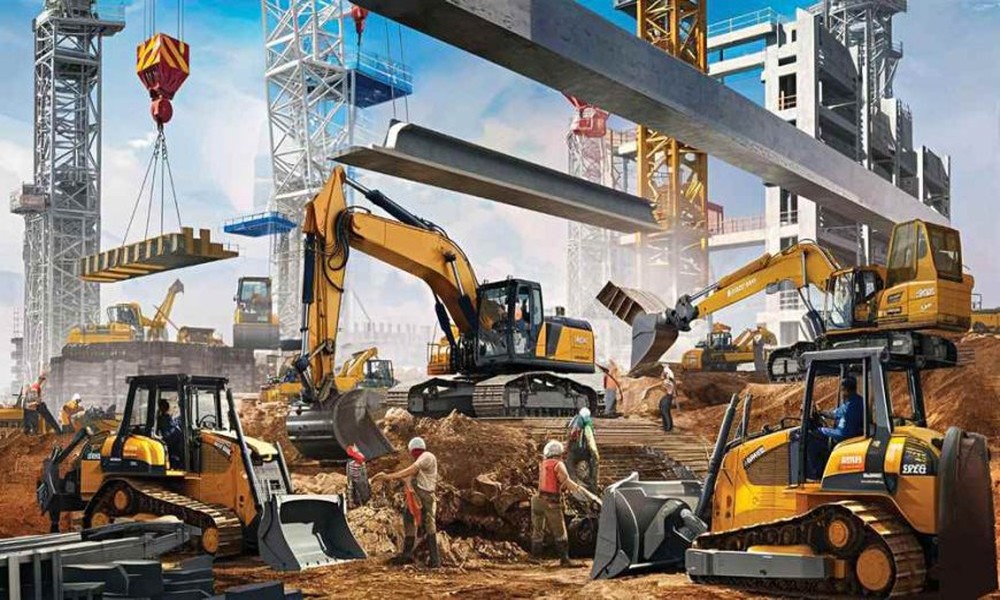
The construction industry continues evolving as companies search for more flexible and cost-effective ways to manage projects in increasingly competitive markets. One major shift occurring across commercial, industrial, and infrastructure sectors is the growing reliance on rental machinery instead of maintaining large fleets of owned equipment. Construction firms are recognizing that flexible access to heavy machinery can improve operational efficiency while reducing financial pressure associated with ownership.
The increasing demand for construction equipment rental services highlights how contractors are adapting their strategies to meet changing project requirements, budget limitations, and operational challenges within modern construction environments.
Project Demands Are Becoming Less Predictable
These days, construction companies frequently oversee projects with different schedules, scopes, and technical specifications. Some projects may require specialized equipment for only a few weeks, while others may need additional machinery unexpectedly as work progresses.
Owning every type of heavy equipment is not always practical or financially efficient for contractors handling diverse project portfolios. Rental solutions allow firms to secure machinery only when necessary, helping companies respond more effectively to changing operational demands.
This flexibility has become increasingly valuable in industries where project conditions can shift quickly due to scheduling changes, weather conditions, or client requirements.
Reducing Capital Investment Is A Major Advantage
Purchasing heavy machinery requires significant financial investment. Excavators, cranes, loaders, bulldozers, and specialized construction equipment often involve high acquisition costs along with long-term maintenance responsibilities.
Many firms now prefer allocating financial resources toward workforce development, project expansion, or technology improvements rather than purchasing equipment that may not be used consistently throughout the year.
Rental machinery allows companies to access necessary equipment without committing large amounts of capital to ownership. This approach improves financial flexibility while reducing the risks associated with long-term equipment investment.
Maintenance Responsibilities Are Simplified
Equipment ownership involves ongoing maintenance costs, inspections, storage requirements, repairs, and replacement planning. Managing these responsibilities can become expensive and time-consuming, especially for companies operating multiple projects simultaneously.
Rental providers often handle equipment servicing and maintenance support, allowing contractors to focus more directly on project execution. Access to properly maintained machinery also helps reduce the likelihood of breakdown-related delays on active job sites.
Simplified maintenance management has become one of the strongest reasons many construction firms continue increasing their use of rental equipment.
Technology Changes Quickly In Modern Construction
Construction equipment technology is advancing rapidly. Modern machinery often includes fuel-efficient systems, advanced controls, digital monitoring features, automated functions, and enhanced safety technology.
Companies that rely entirely on owned fleets may struggle to update equipment frequently enough to remain competitive. Rental solutions provide access to newer machinery without requiring contractors to replace expensive equipment regularly.
Firms using rental machinery can often take advantage of modern technology improvements more quickly while avoiding the long-term depreciation associated with ownership.
Seasonal Work Patterns Influence Equipment Needs
Many construction businesses experience seasonal fluctuations in project activity. Certain times of the year may involve significantly higher demand for machinery, while slower periods may leave equipment unused for extended durations.
Owning large fleets that remain inactive during off-seasons can create unnecessary operational costs. Rental machinery allows companies to scale equipment access according to actual workload demands.
This seasonal flexibility helps firms manage resources more efficiently while avoiding excessive storage and maintenance expenses during lower activity periods.
Specialized Equipment Is Easier To Access
Some construction projects require highly specialized machinery that contractors may not use frequently enough to justify ownership. Tunneling equipment, large lifting machinery, compact urban construction units, or specific demolition systems may only be needed for limited project phases.
Rental services make it easier for firms to secure specialized equipment temporarily without long-term ownership commitments. This improves operational capability while allowing companies to compete for a wider range of projects.
Access to specialized machinery also helps contractors handle more technically complex work with greater efficiency.
Rental Solutions Support Faster Project Expansion
Construction firms seeking to expand operations often need additional machinery quickly to support larger workloads or multiple simultaneous projects. Purchasing new fleets immediately may not always be financially practical during rapid growth periods.
Rental options allow companies to increase operational capacity without delaying project schedules. Firms can secure additional machinery quickly while evaluating long-term equipment needs more strategically.
This scalability supports business growth while reducing financial risk during expansion phases.
Economic uncertainty, fluctuating material costs, and changing market conditions have encouraged construction firms to manage financial risk more carefully. Large equipment ownership can create long-term obligations that become difficult during slower market periods.
Rental machinery offers greater flexibility because firms can adjust equipment usage based on current project demand. This reduces financial exposure while improving adaptability in changing business environments.
