

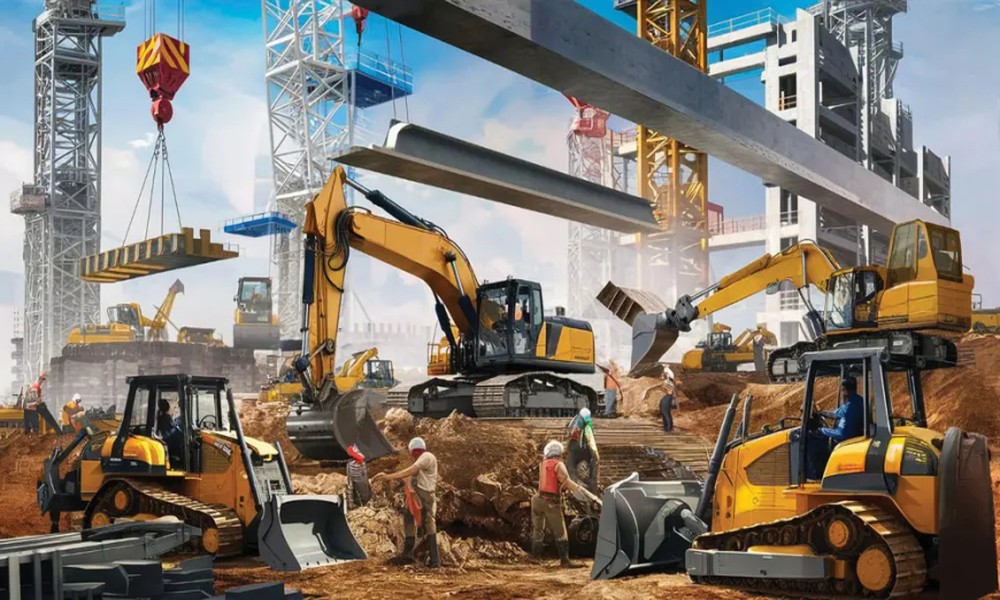
Infrastructure development plays a major role in supporting economic growth, transportation systems, public utilities, and urban expansion. Roads, bridges, airports, tunnels, and commercial structures all rely on advanced machinery to complete projects efficiently and safely. In demanding environments where projects often operate under strict deadlines and challenging conditions, Torgersons construction equipment becomes essential for maintaining productivity and long-term performance.
Supporting Continuous Project Operations
Infrastructure projects are usually large in scale and require continuous operations over extended periods. Equipment that lacks durability can experience frequent breakdowns, causing work stoppages and increased repair expenses. Durable machines are designed to withstand harsh working conditions, including rough terrain, heavy loads, dust exposure, and changing weather conditions.
Reliable construction equipment allows contractors to maintain a steady workflow across every stage of development. Excavators, loaders, bulldozers, and compactors that are built for durability can continue performing demanding tasks without significant interruptions. This consistency helps project managers meet deadlines more effectively while minimizing operational risks.
Reducing Downtime On Worksites
Downtime is one of the biggest challenges faced by construction companies. When machinery fails unexpectedly, projects may experience scheduling delays, labor inefficiencies, and increased costs. Durable construction equipment helps reduce these risks by providing stronger components, reinforced frames, and dependable hydraulic systems.
Well-engineered equipment is designed to handle repeated heavy usage without compromising performance. This reliability becomes especially important in infrastructure projects where multiple teams depend on equipment availability to complete interconnected tasks. Reduced downtime also improves worker productivity because crews can continue operating without unnecessary pauses caused by equipment failures.
Improving Jobsite Safety
Safety remains one of the most important priorities in infrastructure development. Durable construction equipment contributes to safer jobsite conditions by offering dependable performance during high-risk operations. Equipment failures during lifting, excavation, or transportation activities can create dangerous situations for workers and surrounding structures.
Modern heavy machinery often includes reinforced safety systems, advanced braking technology, stable operating platforms, and protective operator cabins. Durable equipment maintains these safety features more effectively over time, helping operators work confidently in demanding environments.
Reliable machinery also supports better control and handling, which reduces the likelihood of accidents caused by sudden mechanical issues. Construction companies that invest in durable equipment often experience improved safety records and fewer disruptions related to workplace incidents.
Enhancing Cost Efficiency Over Time
Although durable construction equipment may involve a higher initial investment, it often delivers greater value over the long term. Stronger machinery generally requires fewer repairs, less frequent part replacements, and lower maintenance expenses compared to lower quality alternatives.
Infrastructure projects typically operate with carefully managed budgets. Unexpected repair costs can quickly affect profitability and delay project completion. Durable equipment helps companies control operating expenses while improving long-term return on investment.
Additionally, machines with longer service lives provide better resale value when companies decide to upgrade their fleets. This financial advantage supports sustainable growth for contractors working in competitive construction markets.
Handling Demanding Infrastructure Tasks
Infrastructure development involves tasks that place enormous pressure on heavy machinery. Road construction requires constant grading and compaction, while bridge projects demand heavy lifting and precise material handling. Mining, utility installation, and large-scale excavation projects also require equipment capable of performing under extreme conditions.
Durable construction equipment is specifically engineered to manage these demanding responsibilities. Strong engines, reinforced attachments, and heavy-duty undercarriages allow machinery to maintain efficiency even during the toughest operations.
Equipment durability also supports performance consistency across different environments, including urban construction sites, remote development zones, and industrial infrastructure projects. This adaptability allows contractors to use their equipment fleet across a wide variety of applications.
Supporting Faster Project Completion
Project timelines are becoming increasingly important as cities expand and governments invest in modern infrastructure systems. Durable equipment helps construction teams maintain progress by minimizing operational interruptions and maximizing daily productivity.
Machines that can operate efficiently for longer periods allow crews to complete excavation, transportation, and site preparation tasks more quickly. Faster project completion benefits both contractors and communities by reducing labor costs and accelerating access to finished infrastructure.
Reliable equipment also helps improve coordination between different stages of construction. When machinery performs consistently, project managers can schedule operations more accurately and reduce delays between work phases.
Encouraging Sustainable Infrastructure Development
Sustainability is becoming a growing focus within the construction industry. Durable construction equipment contributes to sustainability by reducing unnecessary waste associated with frequent machinery replacement and excessive repair part consumption.
Long-lasting equipment reduces the environmental impact linked to manufacturing new machinery and disposing of worn-out components. Many modern machines are also designed with improved fuel efficiency and lower emissions, helping construction companies meet environmental standards while maintaining strong performance.
By investing in durable equipment, contractors support both operational efficiency and environmentally responsible infrastructure development practices.
Conclusion
Durable construction equipment plays a vital role in the success of modern infrastructure development projects. Reliable machinery supports continuous operations, reduces downtime, improves safety, and enhances long-term cost efficiency. Strong and dependable equipment enables construction teams to complete challenging tasks with increased confidence and productivity, from highways and bridges to commercial developments and utility systems.
