

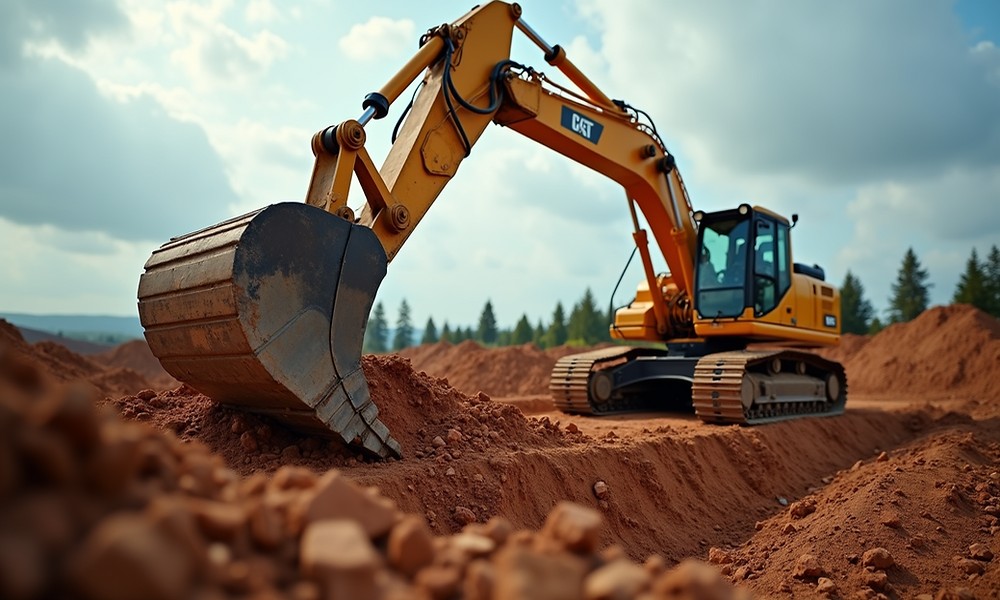
Recent years have seen tremendous changes in the construction sector, largely driven by advances in machinery and technology. What was once a labor-intensive process has evolved into a more efficient, precise, and controlled operation. Modern construction equipment is not just about power and size anymore. It plays a critical role in how projects are planned, executed, and completed. These innovations are reshaping the way contractors approach work on every job site. Partnering with a reliable construction equipment supplier ensures access to modern machinery that enhances efficiency, safety, and overall project execution.
Improving Speed And Efficiency
One of the most noticeable impacts of modern equipment is the increase in project speed. These days, tasks that used to take days of human effort can be finished in a fraction of the time.
Advanced machinery is designed to handle complex tasks with greater accuracy and less effort. This allows teams to complete projects faster without compromising quality. As a result, deadlines are easier to meet, and productivity levels are significantly improved.
Enhancing Precision And Accuracy
Modern construction equipment is built with precision in mind. Improved controls and advanced systems allow operators to perform tasks with greater accuracy than ever before.
This level of precision reduces errors and minimizes the need for rework. It also ensures that projects meet design specifications more consistently. Better accuracy leads to higher quality outcomes and more efficient use of materials.
Supporting Safer Work Environments
Safety has become a major focus in the construction industry, and modern equipment plays a key role in improving it. New designs prioritize operator safety and reduce the risks associated with heavy machinery.
Features such as improved visibility, automated controls, and enhanced stability help create a safer working environment. This not only protects workers but also reduces downtime caused by accidents or injuries.
Reducing Physical Labor
Traditional construction methods often relied heavily on manual labor, which could be physically demanding and time-consuming. Modern equipment has significantly reduced this burden.
Machines now handle tasks that previously required large teams of workers. This allows labor to be used more efficiently and helps reduce fatigue. It also enables workers to focus on tasks that require skill and decision-making rather than repetitive physical effort.
Improving Project Planning And Coordination
Modern construction equipment is often integrated with planning tools and systems that improve overall project coordination. Better scheduling and resource management are made possible by this.
With improved planning capabilities, contractors can allocate equipment more effectively and avoid delays. This degree of organization guarantees that every stage of a project is finished successfully and keeps it on course.
Increasing Versatility On Job Sites
Today’s equipment is designed to be more versatile than ever before. Many machines can be adapted for multiple tasks, reducing the need for separate equipment.
This flexibility allows contractors to handle a variety of jobs with fewer resources. It also makes it easier to adjust to changing project requirements without significant disruptions.
Supporting Cost Efficiency
While modern equipment may involve higher upfront costs, it often leads to long-term savings. Increased efficiency, reduced labor needs, and fewer errors all contribute to better cost management.
Projects may be finished faster and with fewer resources, which helps keep overall costs under control. This makes modern equipment a valuable investment for contractors aiming to improve profitability.
Enabling Sustainable Practices
In the construction industry, sustainability is increasingly being taken into account, and this change is being supported by contemporary equipment. Improved efficiency means less waste and better use of materials.
Additionally, newer machines are often designed to use energy more effectively, reducing environmental impact. This is in line with the increasing need for more ethical building methods.
Adapting To Industry Demands
The construction industry continues to evolve, and modern equipment allows contractors to keep up with these changes. Whether it is handling larger projects or meeting stricter standards, advanced machinery provides the tools needed to stay competitive.
This flexibility guarantees that companies may react to fresh possibilities and problems without falling behind.
Conclusion
Modern construction equipment is transforming project execution by improving speed, accuracy, safety, and efficiency. It reduces the reliance on manual labor while enhancing overall project coordination and cost control. These tools will become even more important in determining the direction of building as technology develops. By embracing modern equipment, contractors can achieve better results and remain competitive in an ever-changing industry.
