

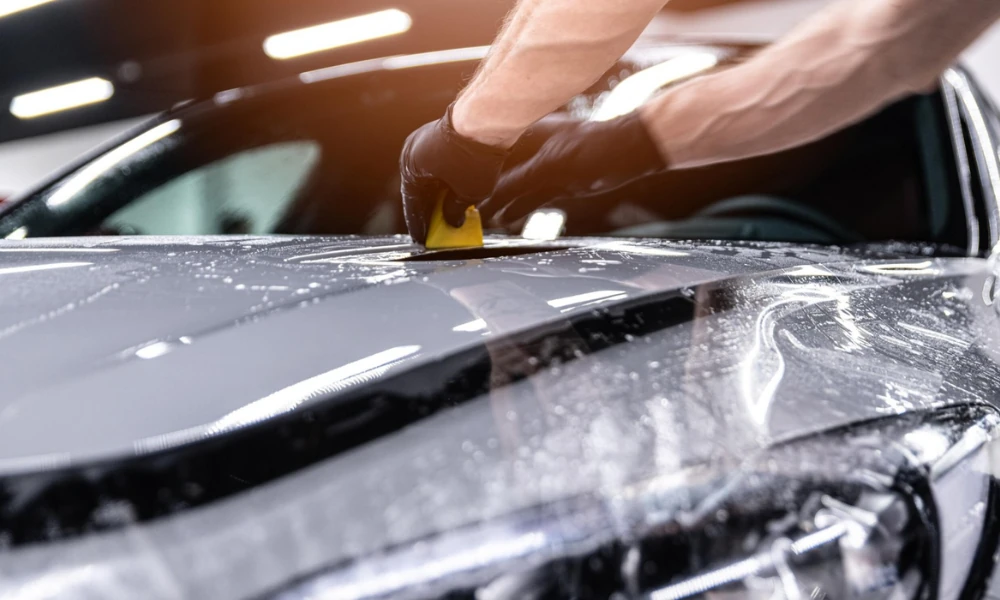
Paint protection film has evolved far beyond its original role as a nearly invisible shield against stone chips. Drivers can now choose films that influence the appearance of a vehicle as well as protect its paint. Among those options, satin finishes have become especially appealing because they create a restrained, contemporary look without the flat appearance associated with traditional matte surfaces.
Choosing the best film, however, involves more than deciding whether the finish looks attractive in photographs. Film construction, optical consistency, stain resistance, installation quality, maintenance requirements, and long-term durability all affect how satisfactory the finished vehicle will be. Understanding these factors makes it much easier to separate a genuinely capable paint protection film from one that simply looks impressive immediately after installation.
Why Satin Paint Protection Film Has Become Popular
Gloss paint protection film is designed to preserve the appearance of factory paint as closely as possible. Satin film works differently. It softens reflections and reduces the sharp shine of a painted surface, producing a smoother and more understated visual character.
On glossy paint, satin film can create the impression of a completely different finish without requiring repainting. On vehicles already painted in matte or satin colors, an appropriately selected film can protect the original appearance while avoiding the unwanted glossy patches that conventional clear film might create.
This combination of visual transformation and physical protection is a major reason satin PPF has found a wider audience. Owners can change the personality of a vehicle while retaining the option to remove the film later and reveal the original paint beneath it.
The Best PPF Starts With Film Quality
Appearance is important, but the underlying material should remain the first consideration. Premium paint protection films are typically engineered from thermoplastic polyurethane, commonly known as TPU. This flexible material can absorb minor impacts and conform to complex body panels while remaining relatively transparent.
Film quality becomes particularly noticeable over time. Inferior products may discolor, become cloudy, develop uneven textures, or lose their original surface characteristics. Satin films present an additional challenge because the finish must remain consistent across every protected panel.
A high-quality film should therefore deliver uniform light diffusion. One panel should not appear noticeably flatter or glossier than the next. This matters especially when a vehicle receives full-body coverage, where inconsistent film can become apparent under direct sunlight or bright indoor lighting.
The adhesive layer is equally important. It needs enough holding strength to remain secure around edges and curves while being suitable for professional removal when the film eventually reaches the end of its service life.
Surface Consistency Matters More With Satin Film
Small imperfections that disappear visually beneath glossy PPF can become easier to notice on satin surfaces. Texture differences, installation stretch, contamination, and poorly finished edges may interrupt the otherwise uniform appearance.
For that reason, satin PPF should be evaluated not simply by touching a sample but by viewing a larger installed section under several lighting conditions. Natural daylight, workshop lighting, and directional artificial light can reveal differences that are difficult to see on a small sample card.
A good satin finish creates controlled reflections rather than eliminating them completely. Body lines should remain visible, while harsh reflections become softer. The objective is usually a refined, factory-style appearance rather than an extremely flat finish.
Color also plays a role. Dark paint tends to show the visual effect particularly clearly, while metallic paints can react differently depending on the film’s optical characteristics. Seeing the chosen film installed over a similar paint color can therefore be more useful than judging it in isolation.
Self-Healing Performance Adds Everyday Practicality
Modern premium PPF often incorporates a self-healing topcoat designed to reduce the appearance of very light scratches and swirl marks when exposed to warmth. That feature can be especially valuable on satin surfaces because conventional polishing methods are generally unsuitable.
A glossy painted panel can often be machine polished to remove minor defects. Satin finishes require greater caution because polishing may alter the sheen and leave a visibly inconsistent patch.
Self-healing technology helps reduce that problem by allowing certain superficial marks in the film to diminish without abrasive correction. It does not mean every scratch disappears, and deeper damage can still require film replacement, but it can help preserve a more consistent finish through ordinary use.
The topcoat should also resist environmental contamination. Road grime, bird droppings, insects, oils, and other residues should be removed promptly, but stronger stain resistance gives the owner more practical protection during daily driving.
Installation Can Determine the Final Result
Even an excellent film can perform poorly when installed incorrectly. Satin PPF demands careful preparation because contaminants trapped beneath the film can remain visible, particularly across large flat panels.
Professional preparation normally involves thorough washing and decontamination before the film is applied. Existing paint defects may also need attention beforehand because PPF is protective rather than corrective. It will not magically hide chips, scratches, or poorly repaired paintwork.
Panel alignment is another important consideration. Because satin film changes how light interacts with the vehicle, uncovered edges or mismatched sections may stand out more than they would with transparent gloss film.
Installers experienced with satin material understand how much stretching is appropriate and how to manage complex bumpers, mirrors, curves, and recessed areas without creating obvious differences in texture.
For drivers comparing films, investigating the installer can therefore be just as important as researching the manufacturer.
Full Coverage Usually Produces the Most Natural Appearance
Partial paint protection remains common with conventional transparent film. A driver might protect the bumper, hood, mirrors, and front fenders while leaving the remaining paint uncovered.
Satin film is different because it visibly changes the finish. Applying it only to selected areas of a glossy vehicle would normally create a deliberate contrast between protected satin surfaces and uncovered glossy paint.
That can work when contrast is part of the design, but anyone seeking a consistent satin appearance will generally prefer full-body coverage. Uniform installation allows the same level of sheen to continue across doors, quarter panels, hood, roof, bumpers, and other exterior surfaces.
Full coverage also offers broader protection from scratches, road debris, and environmental exposure.
Maintenance Should Protect the Texture
Satin PPF is relatively straightforward to maintain, but owners should avoid treating it exactly like glossy paint.
Regular washing helps prevent contamination from becoming embedded in the surface. Gentle automotive shampoos and soft wash materials are preferable to aggressive cleaners. Products designed primarily to create a strong glossy shine may change the visual character of the film and should be used cautiously.
Automatic car washes with abrasive brushes can also introduce unnecessary surface wear. Hand washing provides greater control and reduces the likelihood of damaging film edges.
Perhaps most importantly, owners should avoid conventional polishing compounds unless the film manufacturer specifically approves them. Abrasive polishing can create shiny areas that disrupt the satin finish and may be difficult to reverse.
Comparing PPF Options Before Making a Decision
Rather than choosing film solely by price, consider what the manufacturer provides regarding material construction, finish consistency, warranty terms, maintenance instructions, stain resistance, and expected durability. Installer experience should be considered alongside these specifications.
It is also worth examining actual vehicles rather than relying exclusively on marketing photographs. Satin surfaces respond dramatically to lighting, meaning online images can make one film appear considerably flatter or glossier than it looks in person.
Near the end of the research process, product-specific references can help clarify how different manufacturers approach this category. ClearPro, for example, provides technical information about its PPF satin finish for drivers and installers comparing satin-style paint protection options. Such information is most useful when considered alongside physical samples, installation experience, warranty conditions, and the requirements of the particular vehicle.
Choosing Protection That Looks Right for the Long Term
The best satin paint protection film should succeed on two levels. It must protect vulnerable paint from ordinary road wear while maintaining a consistent finish that suits the vehicle.
Material quality, topcoat technology, optical consistency, installer skill, and sensible maintenance all contribute to that result. Focusing on only one factor, whether price, appearance, thickness, or warranty length, can overlook characteristics that matter just as much after several months of use.
A carefully selected satin film offers an unusual advantage: it can change the visual character of a car while continuing to serve the practical purpose for which PPF was originally developed. When the film and installer are chosen with equal care, protection and design become part of the same decision rather than competing priorities.
