

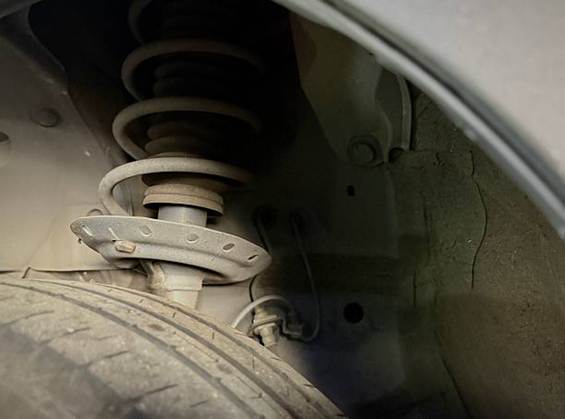
A smooth, safe, and comfortable ride depends on more than just your tires and brakes — the condition of your suspension plays a starring role too. In particular, your vehicle’s shocks and struts are critical components that govern how your car handles bumps, corners, and braking. When they wear out, both ride quality and safety can suffer — often without you even realizing it.
What are Shocks and Struts?
Shocks and struts are part of the suspension system designed to absorb and dampen the energy from road irregularities. While “shocks” and “struts” are often used interchangeably, they differ slightly: shocks are standalone dampeners, whereas struts combine damping with structural support for the suspension. Together, they help keep your tires in contact with the road, control body movement during acceleration, braking, and turns, and contribute to a stable ride.
Signs You Might Have Worn Suspension
Bumpy or Unsettled Ride
If every bump and pothole feels jarring — stronger than usual — your shocks or struts may be failing. Instead of absorbing the impact, the ride becomes harsh.
Excessive Body Roll or Nose Dive
Feeling your car lean dramatically during turns, or dip forward when braking, is a red flag. Good suspension maintains balance; worn components fail to stabilize the body properly.
Uneven Tire Wear or Frequent Bottoming Out
Uneven wear patterns on tires or scraping noises when going over speed bumps often point to suspension issues. Worn shocks can’t keep tires pressed firmly against the road, leading to unpredictable wear.
How Worn Suspension Affects Safety
When your suspension is compromised, your vehicle’s control and braking efficiency degrade. Without proper damping:
- Tires may lose contact with the road during bumps, causing loss of steering precision or traction.
- Hard braking can result in longer stopping distances because the vehicle’s weight shifts unpredictably.
- Cornering becomes riskier — body roll increases, and the car may feel unstable or lurch suddenly.
In real-world conditions — especially wet or uneven roads — that instability could mean reduced control when you need it most.
Impact on Comfort and Driving Experience
Beyond safety, worn shocks and struts degrade the comfort of your ride:
- A constant “bouncy” or “floaty” feel makes even short drives tiring.
- Vibrations and jolts transmitted through the cabin can be unpleasant — and fatiguing for driver and passengers alike.
- Passengers may feel seasick or experience discomfort, especially on rough surfaces or long travels.
A compromised suspension turns what should be a relaxing drive into a jarring, fatiguing experience.
When to Inspect or Replace Your Suspension
As a rule of thumb, have your shocks and struts inspected every 50,000 miles — or sooner if you notice any of the warning signs above. If inspection reveals visible leaks, damaged coils, or poor damping performance, replacement is the safer choice. Upgrading worn suspension doesn’t just restore comfort — it brings peace of mind.
Conclusion
Shocks and struts may not be as visible as tires or brakes, but they’re fundamental to both the safety and comfort of every ride. Allowing them to wear out is like ignoring a loose foundation — eventually, you’ll notice the instability. For a safer, smoother journey, pay attention to your suspension, and schedule an inspection with a trusted mechanic if anything feels off.
This post was written by a professional at Sunshine Auto Repair. Need an Auto inspection in El Cajon, CA? A reliable auto repair near you, or the best auto mechanic near you in El Cajon, CA? For over 20 years, Sunshine Auto Repair, our family-run shop, has provided honest service, fair prices, and expert care for cars, SUVs, trucks, and commercial vehicles.
