

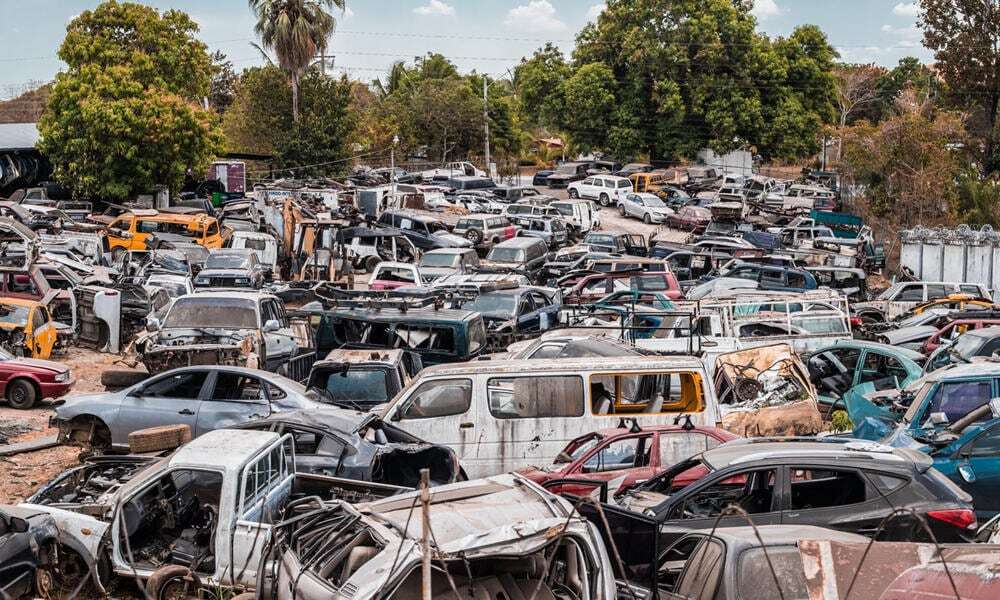
Understanding how to scrap my car in Singapore requires grasping not just the mechanics of disposal but the intricate regulatory ecosystem that has evolved to manage vehicle lifecycles in one of the world’s most densely populated nations. The question represents a collision point between individual ownership, government policy, and environmental necessity. In a place where every vehicle exists only because someone paid for the right to own it through the Certificate of Entitlement system, the end of that vehicle’s useful life triggers a carefully orchestrated sequence designed to ensure nothing is wasted, nothing is abandoned, and every transaction leaves a traceable record.
Step One: Assess Your Vehicle’s Current Status
Before initiating disposal, you must understand your vehicle’s position within Singapore’s regulatory framework. This initial assessment determines both the urgency of action and the financial implications of your decision.
Critical information to gather includes:
- Your Certificate of Entitlement expiry date, found on your vehicle registration card
- Whether your vehicle qualifies for PARF rebates or only COE rebates based on age
- The exact amount of any outstanding fines, summons, or parking charges
- Current road tax status and remaining validity period
- Whether the vehicle is encumbered by hire purchase or other financing arrangements
This information gathering resembles baseline assessment scientists conduct before environmental interventions. A vehicle approaching COE expiry requires immediate action. One with substantial PARF rebate remaining allows for more deliberate timing. The difference can amount to thousands of dollars, transforming abstract policy into concrete financial consequence.
Step Two: Clear All Outstanding Obligations
The how to scrap my car process cannot proceed until all financial obligations to the government are satisfied. The Land Transport Authority will not process deregistration for vehicles carrying unpaid penalties.
You must settle:
- Traffic violation fines from police or LTA enforcement
- Electronic Road Pricing charges if any disputes exist
- Parking summons from various agencies including HDB and URA
- Season parking arrears if applicable
- Any other government-related vehicle charges
This requirement prevents vehicle owners from using disposal as a means of evading legitimate debts. The digital systems that track these obligations operate with ruthless efficiency, flagging any vehicle with outstanding charges the moment deregistration is attempted.
Step Three: Research and Select an Authorised Treatment Facility
The choice of where to bring your vehicle matters considerably. Only Authorised Treatment Facilities possess the legal standing to process vehicles and issue certificates required for official deregistration.
The selection process involves:
- Consulting the Land Transport Authority website for current facility listings
- Requesting quotations from multiple facilities to compare offers
- Verifying that facilities can handle complete deregistration procedures
- Confirming processing timelines align with your COE expiry date
- Ensuring the facility provides clear written terms for the transaction
The quotations you receive will vary based on your vehicle’s weight, condition, and the current state of global scrap metal markets. Steel prices fluctuate with Chinese construction demand. Aluminium values shift with energy costs. These distant economic forces reach into Singapore to affect the value of your ageing vehicle.
As one facility manager observed while evaluating a vehicle, “The price we offer today may differ from next week’s price. We are at the mercy of commodity markets that operate far beyond Singapore’s shores.”
Step Four: Gather Required Documentation
The how do I scrap my car question becomes intensely practical at this stage. Documentation requirements are specific and non-negotiable.
Assemble the following:
- Original vehicle registration card in good condition
- Your NRIC or passport for identity verification
- Proof of outstanding charge clearance from relevant agencies
- Current road tax documentation or cancellation proof
- Letter of authorisation if someone else will handle the physical transaction
- Any loan settlement letters if vehicle was previously financed
Missing or damaged documents trigger delays that can prove costly if approaching COE expiry. The registration card deserves particular attention, as it contains information essential for rebate calculations.
Step Five: Complete the Physical Transfer
With documentation prepared and a facility selected, the physical transfer marks the point of no return. You drive or transport the vehicle to the chosen facility, where staff conduct final inspection and verification.
The facility will:
- Verify the vehicle’s identity matches documentation through chassis and engine numbers
- Confirm no additional damage has occurred since quotation
- Review and photocopy all required documents
- Provide acknowledgement of receipt and processing timeline
- Begin the dismantling and deregistration submission process
This handover possesses a finality that transcends mere transaction. A vehicle that carried you through years of daily routines becomes industrial inventory destined for material recovery.
Step Six: Monitor Deregistration and Rebate Processing
After physical transfer, administrative processing begins. The facility submits deregistration documents to the Land Transport Authority, which verifies all conditions are satisfied before approving the request.
Processing involves:
- LTA verification of document authenticity and completeness
- System checks confirming no outstanding obligations remain
- Calculation of applicable PARF or COE rebates
- Issuance of deregistration certificate
- Transfer of rebates to registered owner’s bank account within specified timeframes
The waiting period can test patience, yet it serves important verification functions. The system must ensure legitimate ownership, proper disposal through authorised channels, and accurate rebate calculations before releasing potentially substantial sums.
The entire process, from initial assessment to final rebate receipt, typically spans two to three weeks for straightforward cases. Complications extend timelines unpredictably. Understanding how to scrap my car transforms from abstract question to lived experience, a journey through regulatory machinery that ultimately serves collective interests in orderly vehicle population management and environmental protection.
