

Introduction
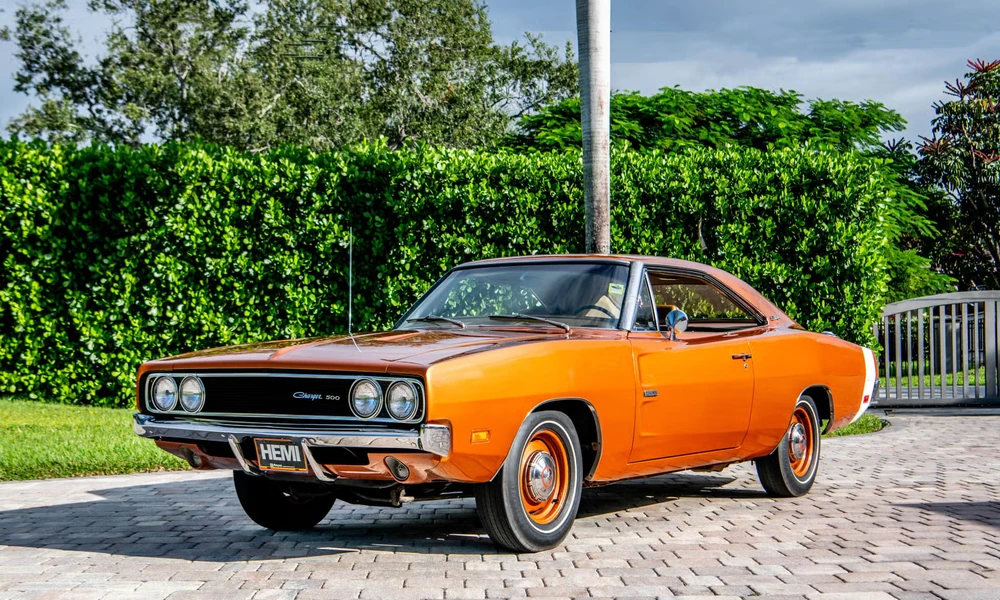
High-performance engines played a major role in making the muscle car era one of the most memorable periods in automotive history. These engines were built to provide impressive power, rapid acceleration, and an exciting driving experience. Their design reflected the increasing demand for high-performance vehicles and the strong competition among manufacturers during that period. Even today, these engines continue to attract collectors and enthusiasts because of their performance and historical importance. Understanding how these engines were designed and what made them successful provides valuable insight into their lasting popularity.
Among the most celebrated powerplants of this golden age were Ford’s legendary V8s, which set a benchmark for street and strip performance. For enthusiasts looking to understand what made these big-block powerhouses so dominant, exploring Made Cobra Jet Engines Insights reveals how optimized breathing, heavy-duty internals, and aggressive valve timing transformed standard passenger car engines into track-ready legends. This relentless drive for power laid the groundwork for the key engineering principles that defined the entire era.
Built for Powerful Performance
The primary goal of high-performance engines was to produce impressive power. Larger engine sizes and carefully designed components allowed these engines to generate greater horsepower and torque.
This focus on performance gave muscle cars their strong acceleration and distinctive driving characteristics.
Efficient Air and Fuel Flow
A high-performance engine depends on a balanced supply of air and fuel. Proper airflow into the engine and efficient fuel delivery help support smooth combustion and maximise engine performance.
Well-designed intake and fuel systems contribute to reliable operation under different driving conditions.
Durable Engine Components
Muscle car engines were built with strong internal components that could handle higher levels of power and stress. Durable parts helped improve reliability while supporting demanding driving conditions.
Strong construction also contributed to the long service life of many classic engines.
Effective Cooling Systems
High-performance engines generate considerable heat during operation. Cooling systems were designed to maintain proper operating temperatures and reduce the risk of overheating.
Effective cooling helped protect engine components and maintain consistent performance.
Simple Mechanical Design
Many muscle car engines featured relatively simple mechanical designs compared to modern engines. This straightforward construction made routine maintenance and repairs more manageable for many owners.
The simplicity of these engines continues to appeal to collectors and restoration enthusiasts.
Continuous Performance Improvements
Manufacturers regularly improved engine designs during the muscle car era. Ongoing developments in engineering helped increase horsepower, improve reliability, and enhance overall vehicle performance.
These improvements contributed to the growing popularity of muscle cars among drivers.
Lasting Collector Interest
High-performance engines remain highly valued by collectors because of their historical significance and engineering. Many classic muscle cars equipped with these engines continue to attract attention at automotive events and among enthusiasts.
Their continued popularity reflects the lasting influence they have had on automotive history.
Conclusion
High-performance engines from the muscle car era remain admired for their power, engineering, and historical importance. Powerful performance, efficient air and fuel flow, durable engine components, effective cooling systems, simple mechanical design, continuous engineering improvements, and lasting collector interest all contributed to their success. These practical insights help explain why muscle car engines continue to be appreciated by enthusiasts around the world. Their legacy remains an important part of automotive history and continues to inspire admiration for classic performance vehicles.
