

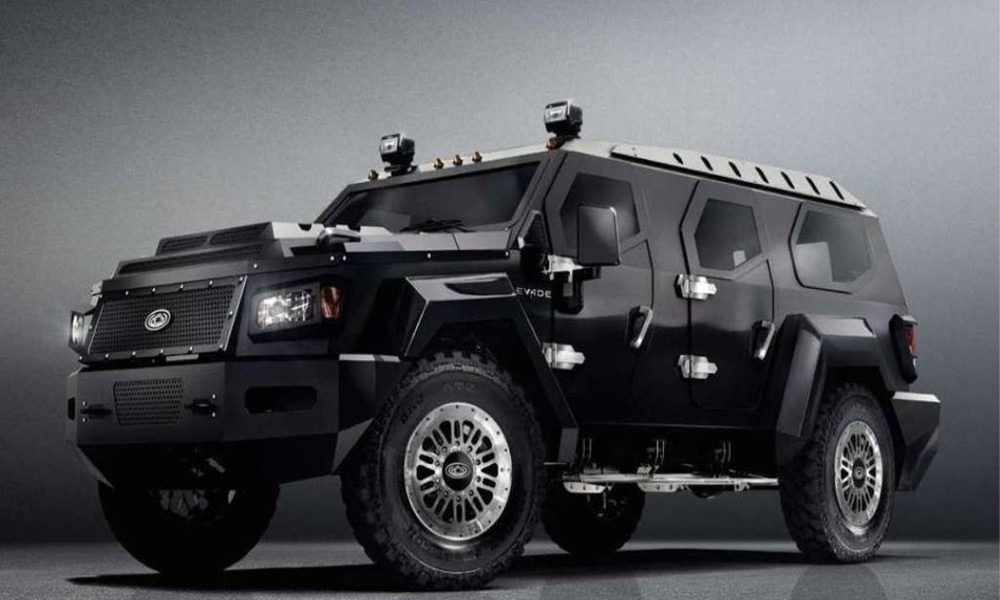
Imagine cruising down the highway in a luxury SUV. Now picture that same vehicle, but re-engineered to quietly shrug off threats ranging from petty theft to high-caliber ammunition. Not all SUVs are created equal, and the gap between a standard model and an armored counterpart is far more dramatic than a glance at tinted glass or beefy tires can reveal.
Understanding Armored Cars and Regular SUVs
What distinguishes a regular SUV? Most are designed for comfort, performance, and maybe a dash of off-road flair. Features like adaptive cruise control, lane-keeping assist, and plush leather interiors dominate the conversation. Yet, beneath the surface, these vehicles prioritize convenience over combat.
Armored cars, on the other hand, seem ordinary from the outside. Underneath, however, lies a complex network of enhancements. Ballistic glass, reinforced steel, run-flat tires, and integrated security systems transform everyday models into fortresses on wheels.
The technology behind armoring is as much art as science. Companies like TroyArmoring.com leverage specialized processes that fuse safety with discretion, ensuring that upgrades are invisible to the casual observer yet unyielding against real threats.
The Anatomy of Protection: How Are Armored Cars Built?
Premium protection starts with materials. Armored vehicles use hardened ballistic steel and composite materials to reinforce the body. Windows are swapped for multi-layered, polycarbonate-laminated glass that resists penetration and shattering.
Doors, body panels, even the roof and floor are fortified to close off vulnerable entry points. Upgrades to the suspension, braking, and chassis are essential, offsetting the extra weight and preserving ride quality. This attention to detail extends through rigorous quality control and certification, with every vehicle subjected to standardized ballistic and blast tests before delivery.
Comparing Safety and Security Features
At the core of these vehicles is their ability to withstand varying threat levels. Armoring companies use precise ratings (“B4,” “B6,” etc.) to describe protection against different calibers and explosives. A regular SUV offers little defense beyond anti-theft measures, while an armored equivalent may withstand everything from pistol fire to assault rifles.
Exclusive features set armored models apart:
– Ballistic-resistant glass that preserves visibility and function.
– Run-flat tires for safe escapes after punctures.
– Reinforced door hinges and frames to absorb blasts.
– Dedicated emergency escape hatches for last-resort situations.
Regular SUVs simply cannot match this level of preparedness, especially in high-risk zones or during targeted attacks.
Performance and Practical Considerations
Enhanced security comes at a price, both literal and figurative. Added weight from armor means changes to acceleration, handling, and fuel consumption. Upgraded brakes and suspension help offset these effects, but there is no denying that a bulletproof Escalade feels different from its showroom sibling.
Maintenance is another consideration. Armored vehicles often require specialized spare parts and post-sale service, which reputable providers offer as part of a comprehensive package. Backed by experts, these services ensure long-term reliability and peace of mind.
Cost is a significant factor. While a high-end SUV might run $80,000, full armoring can double or triple the investment. The value, however, is measured in protection, not mere luxury. Customization options mean buyers do not sacrifice comfort for security, premium interiors, entertainment systems, and even bespoke finishes can be fully integrated.
| Feature | Regular SUV | Armored SUV |
|———————————-|———————|—————————-|
| Ballistic Glass | No | Yes (multi-layered) |
| Reinforced Body Panels | No | Yes |
| Run-Flat Tires | Usually optional | Standard |
| Emergency Escape Mechanisms | No | Yes |
| Security Systems | Standard alarms | High-level, integrated |
| Cost (approximate) | $50,000 – $100,000 | $150,000 – $500,000+ |
| Suspension/Brake Upgrades | No | Yes |
Use Cases and Buyer Profiles
Who really needs an armored vehicle? Buyers include diplomats, corporate executives, celebrities, and individuals living or working in high-risk environments. For some, it is about protecting valuable assets or family members. For others, it is a non-negotiable requirement of the profession.
In contrast, regular SUVs cater to the broad consumer market, families, commuters, and adventure seekers who value comfort and utility above all.
Choosing Between Armored Cars and Regular SUVs
How do you determine which is right for you? Start by assessing the level of risk you face and the value of what needs protecting. Factor in your daily environment, travel routes, and potential threats. Next, balance your need for protection with comfort and budget constraints.
A key step is identifying trusted armoring companies. Look for transparent processes, robust after-sales support, and certifications that back up protection claims. The expertise of an established firm is just as important as the vehicle itself.
The Future of Armored Vehicles
Protection technology is evolving rapidly. Lighter ballistic materials, seamless integration of digital security, and eco-friendly armoring solutions are on the horizon. As threats grow more sophisticated, so too do the defenses, ensuring that safety never comes at the expense of style or performance.
Choosing between an armored car and a regular SUV is about more than picking a vehicle. It is a commitment to a level of personal security few will ever require, but for those who need it, no ordinary SUV can compare.
